
Blog
Swiss accounting, explained in plain English
VAT, receipts, banking, year-end closing: articles based on official Swiss sources (FTA, SME Portal, AHV), written for business owners and accountants.

VAT
Swiss VAT return step by step: effective method or net tax rate?
Effective method or net tax rate method? We walk you through how a Swiss VAT return works, step by step, run through a worked example and explain the rules that have applied since 2025.
12 October 2026 · 7 min read
Accounting
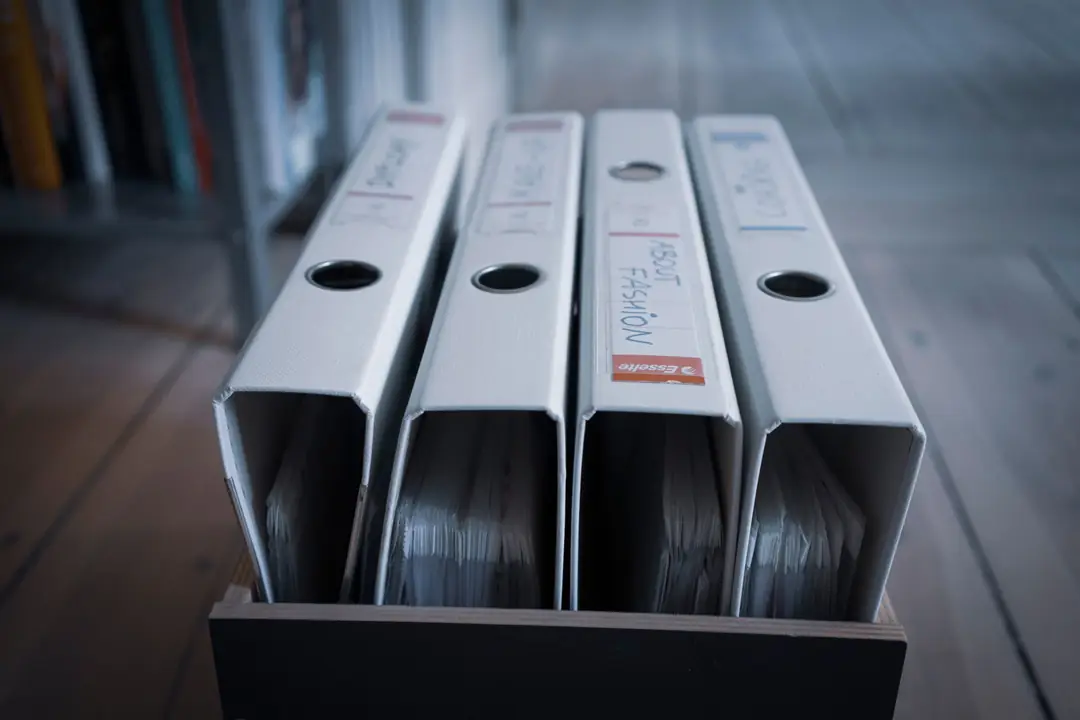
Keeping business records in Switzerland: 10 years, GeBüV and digital archiving
Ten years of retention, but from when exactly? And can you throw away paper receipts once they are scanned? An overview of the CO, the GeBüV and VAT practice, with a checklist for your digital archive.
12 October 2026 · 6 min read

Invoicing
The Swiss QR-bill: what small businesses need to know in 2026
Since November 2025 only structured addresses are allowed, and from 14 November 2026 the rules for euro invoices change. What the payment part must contain and how to avoid mistakes.
12 October 2026 · 6 min read

Accounting
Bookkeeping requirements in Switzerland: sole proprietorship, GmbH or AG?
From CHF 500,000 in revenue, sole proprietorships face full bookkeeping, while a GmbH or AG always does. What Art. 957 CO requires, what simplified bookkeeping allows and when you need an audit.
12 October 2026 · 6 min read

Accounting
Year-end closing for SMEs: a checklist from stocktake to general meeting
Year-end closing gets easier when you plan it in stages. This checklist takes you through reconciliations, accruals, depreciation and deadlines, with examples and the rules from the Code of Obligations.
12 October 2026 · 6 min read

Tax & AHV
AHV contributions for the self-employed: rates, provisional payments and deadlines in 2026
If you're self-employed, you pay AHV/IV/EO contributions entirely on your own. What they cost in 2026, how the sliding scale works and why provisional contributions that are too low can prove expensive.
12 October 2026 · 6 min read

Digitalisation
Digital receipts and expenses: how to stay compliant using your phone and email
A photo of the receipt is enough, as long as the process is right. What digital receipts must contain, which expense rules the tax authorities recognise and what a simple process for teams looks like.
12 October 2026 · 6 min read

Digitalisation
Bank reconciliation with camt.053: how ISO 20022 saves time in your accounts
Typing up bank statements is a thing of the past. How the camt.053 electronic statement works, why references make reconciliation almost automatic and what changes on 14 November 2026.
12 October 2026 · 6 min read

Accounting
Booking foreign currencies: how to apply FTA and FOCBS exchange rates
An invoice in euros, a credit in francs and a different rate in between: how to convert foreign currencies correctly for your books and VAT, and how to book exchange differences cleanly.
12 October 2026 · 6 min read

Accountants
Finding the right accountant: what Swiss SMEs should look for
Your accountant sees deep into your business. How to recognise quality, which licences exist, how to split the work and which questions to ask at the first meeting.
12 October 2026 · 6 min read

VAT
Swiss VAT registration: the CHF 100,000 threshold and when voluntary registration pays off
Everyone knows the CHF 100,000 threshold, but fewer know the details: which turnover counts, how to project it when you start a business, when the obligation begins and why registering voluntarily can pay off.
12 October 2026 · 6 min read
Accounting
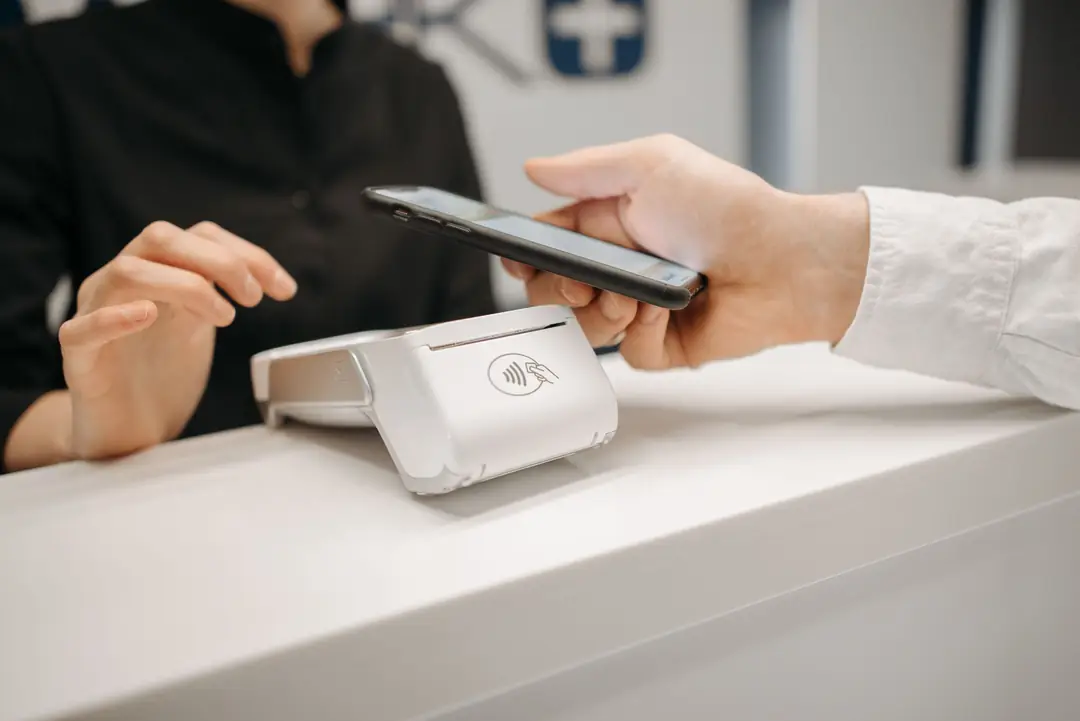
How to book TWINT, Stripe and SumUp payments: clearing accounts, fees and VAT
Less money lands in your bank account than your customer paid. Here is how to record TWINT, Stripe and SumUp payments correctly using a clearing account, and why VAT is due on the gross amount.
12 October 2026 · 6 min read
Are you an accountant?
Buchsnap is free for accounting firms. Your clients send receipts through the app, you do the bookkeeping.
Sign up free →