
Finding the right accountant: what Swiss SMEs should look for
Your accountant sees deep into your business. How to recognise quality, which licences exist, how to split the work and which questions to ask at the first meeting.
12 October 20266 min read
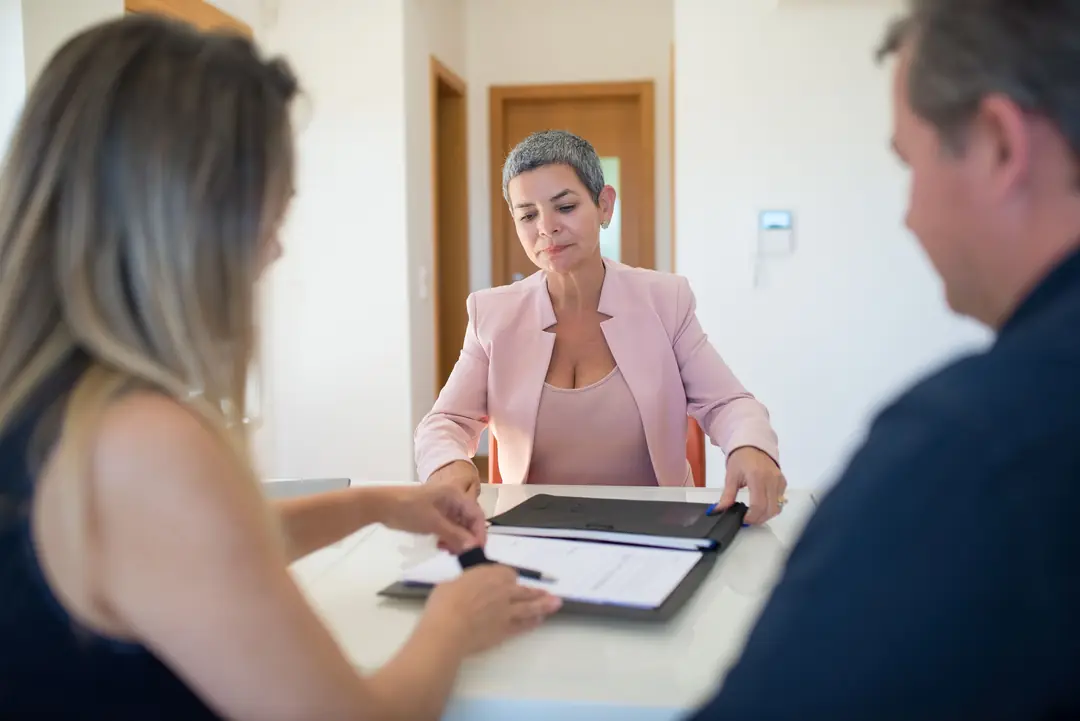
For many SMEs, the accountant (Treuhänder) is the most important outside contact. They keep or review the books, prepare the annual financial statements, file VAT returns and complete the tax return. The federal SME portal puts it well: there needs to be a relationship of trust, because your accountant sees deep into your business and can therefore act as an adviser too. Choose accordingly.
First work out what you need
Before you ask for quotes, take an honest look at what you actually need. The SME portal suggests asking yourself whether anyone in the business has the knowledge, the time and the inclination to do the bookkeeping. Often an accountant is the better choice. Hybrid arrangements are also possible and relatively affordable: the time-consuming but less demanding coding of entries stays in-house, while the year-end closing, VAT and payroll go to an accounting firm.
Typical service packages:
| Package | What's included | Suitable for |
|---|---|---|
| Closing and tax | Annual financial statements, tax return, advice | SMEs that do their own bookkeeping |
| Full bookkeeping | Ongoing bookkeeping, VAT, year-end closing | SMEs without in-house bookkeeping |
| Payroll | Salaries, social insurance, salary certificates | Businesses with employees |
| Advisory | Legal form, succession, tax planning | Specific occasions |
How to recognise quality
Training and experience: ask about the qualifications of the people who will actually handle your account, not just those of the management. Experience in your sector is an advantage, for example in hospitality, construction or healthcare, each with its own VAT quirks.
Membership of a professional body: the SME portal names membership of a professional association as a possible quality criterion. As examples, it refers to the Swiss fiduciary association (Schweizerischer Treuhänderverband) and to EXPERTsuisse, the expert association for audit, tax and fiduciary services.
Audit licence: anyone carrying out statutory audits needs a licence from the Federal Audit Oversight Authority (FAOA/RAB). The FAOA keeps a public register in which you can check the licences of individuals and firms.
Cantonal authorisations: in the canton of Ticino, accountants who work professionally for third parties need an authorisation under the cantonal law on the fiduciary professions. The cantonal supervisory authority keeps a public directory for this (Albo online).
Company details: check the accounting firm's entry in the commercial register via Zefix and in the UID register. There you can see its legal form, registered office and authorised signatories, and the UID register also shows its status in the VAT register.
Independence in the audit
Under a limited audit, which applies to most SMEs, the auditor may be involved in the bookkeeping. If this creates a risk that they end up checking their own work, organisational and staffing measures must ensure a reliable audit (Art. 729 CO). Any such involvement must be disclosed in the audit report. As a general rule, the SME portal recommends choosing an auditor who is independent of your own accountant or adviser. Many small companies with no more than ten full-time positions opt out of the audit altogether with the consent of all shareholders. Whether that makes sense, for example with banks or investors in mind, is a good question to put to your accountant.
Working together day to day
The quality of a relationship with your accountant shows less at the first meeting than in day-to-day work. So clarify early on:
- How do receipts get to the accountant? By post, as a folder once a year or digitally on an ongoing basis?
- Who records what? Do you code entries yourself, or does the accountant do it?
- How up to date are the figures? Do you get a monthly report, or only with the year-end closing?
- How quickly do you get answers? Is there a fixed contact person and a deputy?
- Which software is used? Do you have access to your own books?
A shared digital platform changes the way you work together. If you capture receipts on your smartphone and your accountant posts them in the same system, there are no more folders, no more posting documents and no more queries about missing receipts. Buchsnap is built for exactly this division of work: the SME uploads receipts and bank data, the accountant posts, reviews and files the returns, and both see the same up-to-date picture.
Three typical situations
Sole proprietorship (Einzelfirma) with no employees, not VAT-registered: it is often enough to collect receipts digitally as you go and bring in an accountant only for the annual financial statements and tax return. What matters is that they have access to complete, well-organised records.
GmbH (limited liability company) with three employees, VAT-registered: this adds payroll, social insurance, VAT returns and year-end accounts under the Code of Obligations. Many businesses of this size outsource their bookkeeping entirely or only capture the receipts themselves. An accountant with experience in your sector saves you the most time here.
Trading business with stock and imports: inventory valuation, foreign currencies, import tax and input tax all raise the bar. Ask specifically about experience with inventory valuation and customs declarations.
In all three cases, the better prepared your receipts are, the more time is left for advice rather than data entry.
Fees and quotes
Accountants usually charge either for time spent, at hourly rates, or a flat fee. In the quote, look out for:
- a clear description of the services included,
- hourly rates for additional work,
- how incomplete records are handled, because rework is a common cost driver,
- costs for software and access,
- notice periods and handover of data if you switch.
A cheap flat-fee offer can turn out expensive if every query is billed separately. Conversely, well-prepared records on your side often save more than any discount.
Questions for the first meeting
- Who exactly will handle my account, and who covers for them?
- What experience do you have in my sector?
- How are receipts exchanged, and which software do you use?
- How often will I receive reports?
- How do you handle deadlines, for example for VAT and the tax return?
- How do you bill, and what does a typical query cost?
- How will I get my data if we stop working together?
Warning signs
- Unclear responsibilities and contact people who keep changing.
- No access to your own books during the year.
- Receipts processed only once a year, so the figures are always out of date.
- No written quote, or a vague description of services.
- Audit and bookkeeping from the same provider without this having been openly discussed.
Switching accountants
Switching is usually easiest at the end of a financial year. Make sure you receive all your accounting data in a readable format, including receipts and closing documents from previous years. The ten-year retention obligation lies with the business, not with the accountant.
Last updated: October 2026. This article does not replace individual advice.
Frequently asked questions
Does an accountant in Switzerland need a licence?
Statutory audits require a licence from the Federal Audit Oversight Authority (FAOA/RAB). There are also cantonal rules, for example in Ticino, where accountants who work for third parties need an authorisation. Ask about the licences that are relevant to your engagement.
How do I check whether a Swiss auditor is licensed?
In the FAOA's public register, which lists all licensed individuals and audit firms.
Can my accountant also be my auditor in Switzerland?
Under a limited audit, involvement in the bookkeeping is allowed as long as organisational and staffing measures ensure a reliable audit (Art. 729 CO). The SME portal nonetheless recommends choosing an auditor who is independent of your own accountant.
Should I do my own bookkeeping or outsource it?
Doing it yourself only makes sense if someone in the business has the knowledge and the time. A hybrid approach often works well: coding entries in-house, with the year-end closing, VAT and payroll handled by your accountant.
How do I recognise a good accountant in Switzerland?
By a fixed contact person, a transparent quote, experience in your sector, membership of a professional association and a process that gives you ongoing access to up-to-date figures.
Who owns the accounting data when I switch accountants?
The ten-year retention obligation lies with the business. So agree in the quote that you will receive all data and receipts in a readable format if you switch.
Sources
- KMU-Portal: Buchhaltung auslagern oder selbst führen? (SME portal: outsource your bookkeeping or do it yourself?)
- KMU-Portal: Kriterien für die Revisionsstelle und Revisionsart (SME portal: choosing an auditor and type of audit)
- Eidgenössische Revisionsaufsichtsbehörde RAB (Federal Audit Oversight Authority)
- RAB: Öffentliches Register (FAOA public register of licensed auditors)
- Kanton Tessin: Aufsichtsbehörde über die Treuhandberufe (Fiduciari) (Ticino supervisory authority for fiduciaries)
- UID-Register (Swiss business identification number register)
- Zefix: Zentraler Firmenindex (central business name index)
- Fedlex: Obligationenrecht, Art. 727a, 729, 729b und 958f OR (Swiss Code of Obligations, Arts 727a, 729, 729b and 958f)
- #accountant
- #fiduciary services
- #SMEs
- #audit
- #collaboration
Are you an accountant?
Buchsnap is free for accounting firms. Your clients send receipts through the app, you do the bookkeeping.
Sign up free →